Those of us who live in wet countries often take the rain for granted and even grumble about it, but in dry climates and those with seasonal rainfall, lack of rain has always been a serious problem. And now, with climate change accelerating, drought is more and more common even in regions that once had dependable rain; while rainfall is becoming more intense and irregular, leading to flooding and soil erosion.
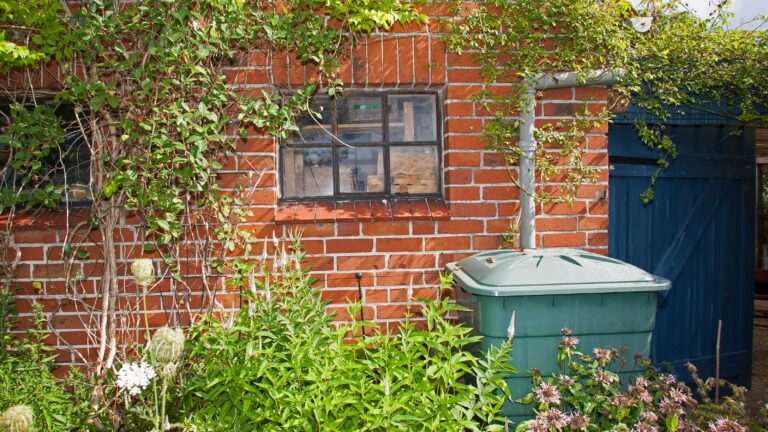
But the good news is that it’s very cheap and easy to harvest and store rainwater, that can then be used to water plants in dry spells. Rainwater is actually better for plants than tap water, which can lead to mineral build-up in the soil. Collecting rainwater from your roof can be as simple as placing a rain barrel under a downspout or using a rainwater diverter (as seen in the first photo.)
A leaf-catcher or a “first flush” device helps to keep organic matter and dirt out of the storage tank.
Rainwater can also be used in the house for flushing toilets and washing. This typically requires filters and pumps, so it may be more appropriate where the water supply is unreliable or highly mineralised.
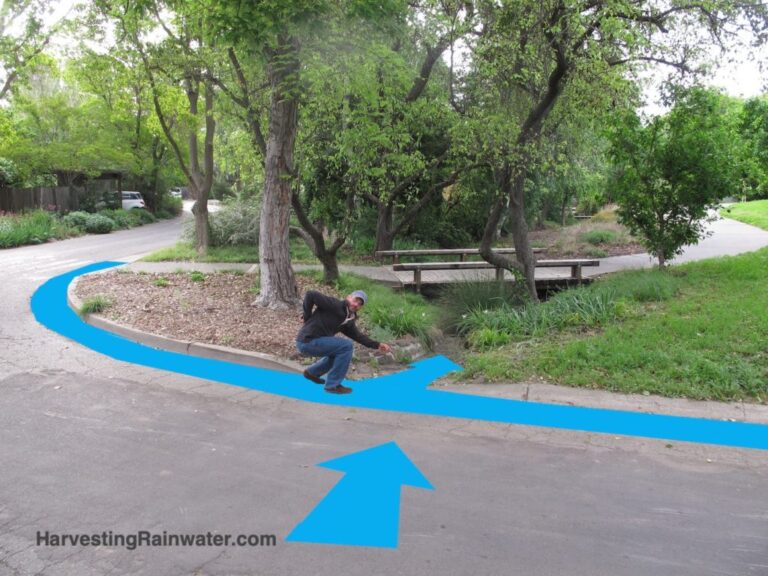
It’s not only the rain falling on your roof that matters. In cities, diverting rainwater from roads and parking lots into permeable ditches, known as swales, where the water can slowly soak in, can prevent flooding while at the same time helping to water plants.
Swales are especially valuable in areas with highly seasonal rainfall patterns, like the Mediterranean Basin or California, but they are only one of many traditional techniques for capturing rainwater and preventing erosion.
Another traditional technique from India is the johad, or check-dam, which slows runoff to allow it to percolate into the ground, recharging aquifers in areas where the wells had previously run dry.
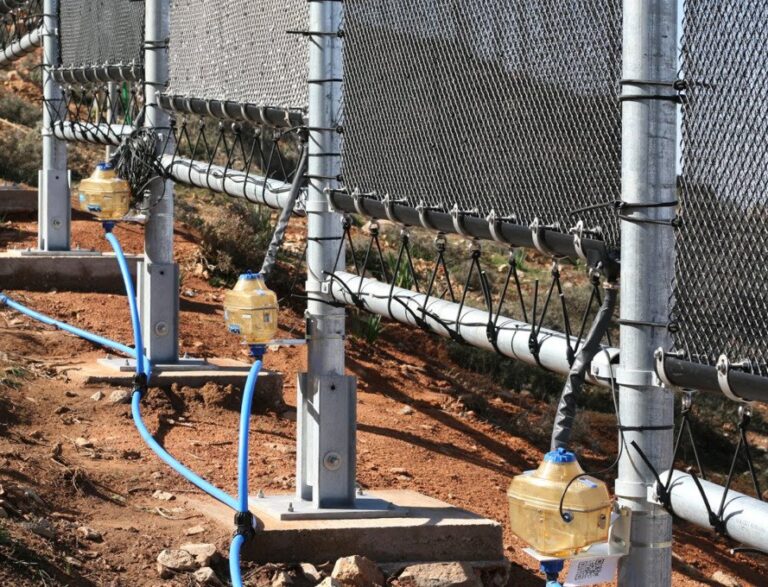
What about places where it hardly rains? Even there, it’s possible to gather condensation using “fog catchers” like these ones in Morocco.
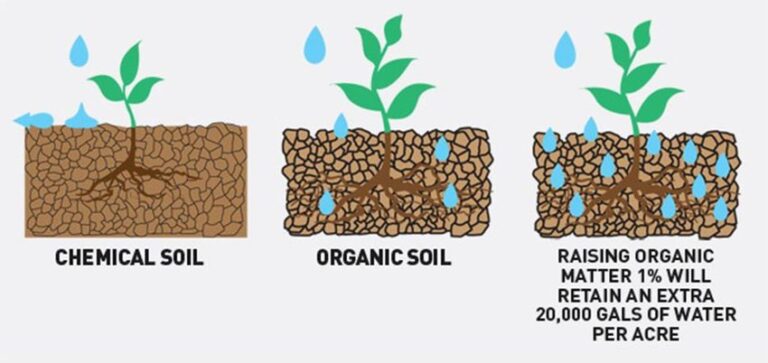
But the simplest, most natural way to capture and store rainwater is in the topsoil itself. By adding organic matter to the soil we can enhance its capacity to hold water, effectively turning the ground into a giant sponge.
By combining techniques like these in the right way, it’s possible to turn a desert landscape into a bountiful oasis in just a few years by harvesting rainwater.